
Skin Science
Sensitive Skin Signs and Gentle Grooming
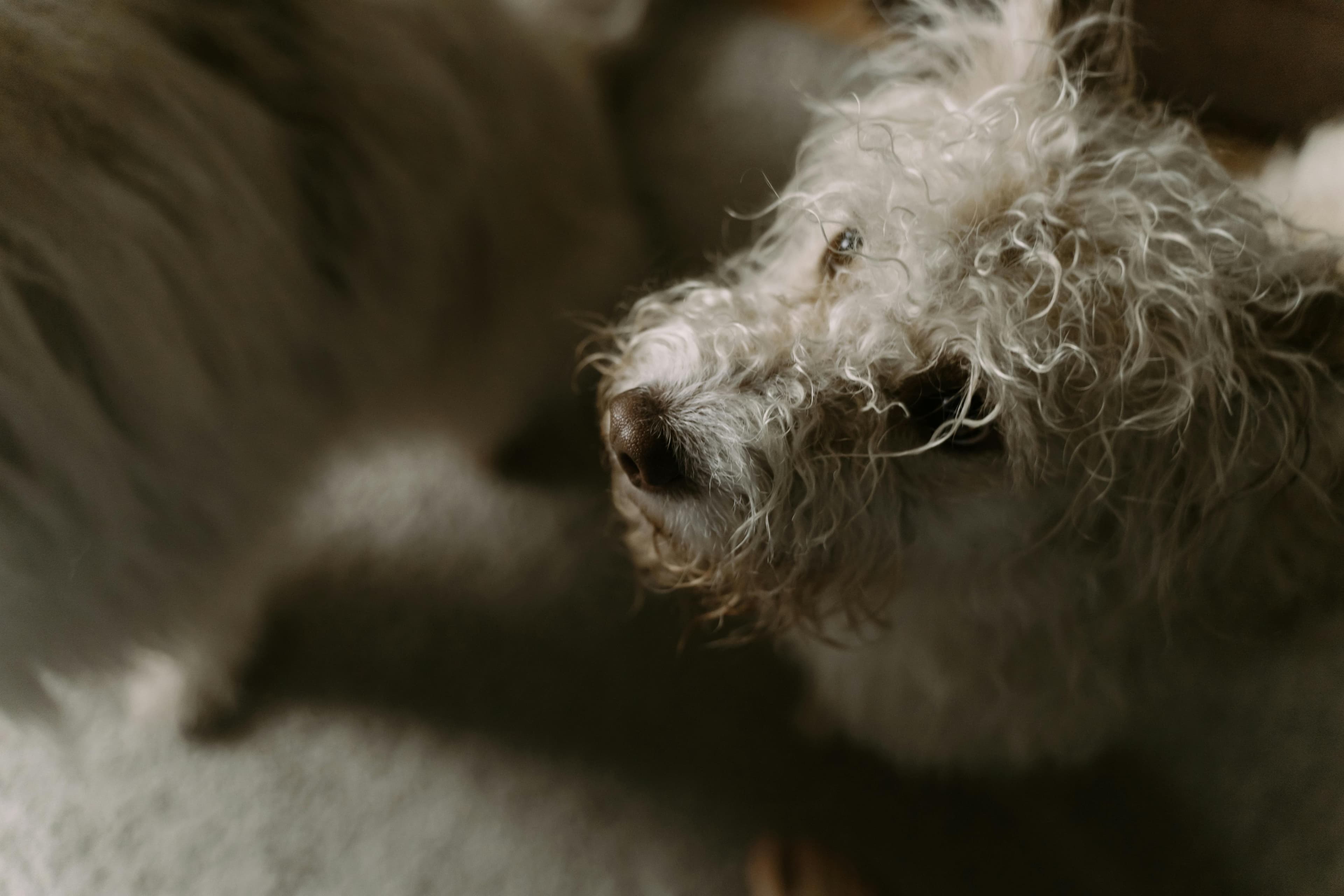
Sensitive skin is more common than most people realize, and the signs are often subtle, especially in pets with thick coats. Look for frequent scratching, redness after bathing, flaky patches, or a coat that feels rough even after a wash. Some pets show discomfort through restlessness or avoidance of touch along the belly or legs. A gentle routine starts with a mild formula and a shorter wash time. Avoid hot water, keep the massage light, and choose a cleanser that respects the skin barrier. The goal is to reduce disruption, not to scrub harder. If your pet reacts after baths, it is usually a sign that the routine is too aggressive or the formula is not balanced for their skin.
Routine matters as much as ingredients. Sensitive skin responds best to predictable, calm routines rather than frequent changes. Keep baths consistent, and avoid switching products too often, because the skin needs time to settle and recover. If you do change a formula, introduce it slowly and watch for changes in behavior or coat texture. Gentle brushing between baths helps distribute oils and reduce dryness without adding friction. A steady rhythm is often the simplest remedy for mild sensitivity.
Water temperature is a hidden trigger. Water that feels comfortably warm to you can be too hot for sensitive skin. Lukewarm water keeps pores calm and reduces irritation during the rinse. If your pet reacts during bathing, check water temperature before you assume the formula is the issue. Small adjustments here can make a dramatic difference in comfort, especially for pets with thin coats or exposed bellies.
Rinsing is critical. Residue is a top trigger for post bath irritation and can leave the coat dull. Rinse longer than you think you need, paying attention to the undercoat, belly, and between toes. Any leftover product can act like a film that traps heat and causes itch. The cleanest rinse often produces the calmest skin, which is why this step should never be rushed.
Drying matters too. Lingering dampness can lead to hot spots or itching, so towel dry well and use low heat if needed, keeping airflow moving. Press rather than rub to avoid friction. If your pet has a thick coat, take extra time to dry the undercoat, because moisture trapped there is a common cause of irritation. Calm drying is not about speed, it is about comfort.
Diet and environment also play a role. Allergies, seasonal pollen, and indoor heating can all amplify sensitivity. If symptoms persist, speak with your vet to rule out underlying issues. A gentle shampoo helps, but it is not a replacement for medical guidance if the skin remains inflamed. Think of grooming as one part of a larger care plan, not the only solution.
Scent should remain subtle for sensitive pets. Heavy fragrance can overwhelm them, and a lighter profile is often better tolerated. If your pet seems restless after baths, consider a softer scent and shorter contact time. Comfort should guide every decision. A calm pet is the best sign that the routine is working.
Track improvements over time. A healthier coat feels softer, sheds less, and responds better to brushing. Less scratching and more relaxed behavior are signs the skin is stabilizing. If you see progress, keep the routine steady rather than changing it too often. Skin responds slowly, and patience is part of the process.
When the routine is gentle and consistent, most sensitive pets improve over time. Comfort first, then scent, is the order that keeps skin healthy and grooming calm. The goal is not to force a perfect coat, but to create a routine that feels safe and supportive day after day.