
Grooming
How Often Should You Bathe Your Dog? By Coat Type
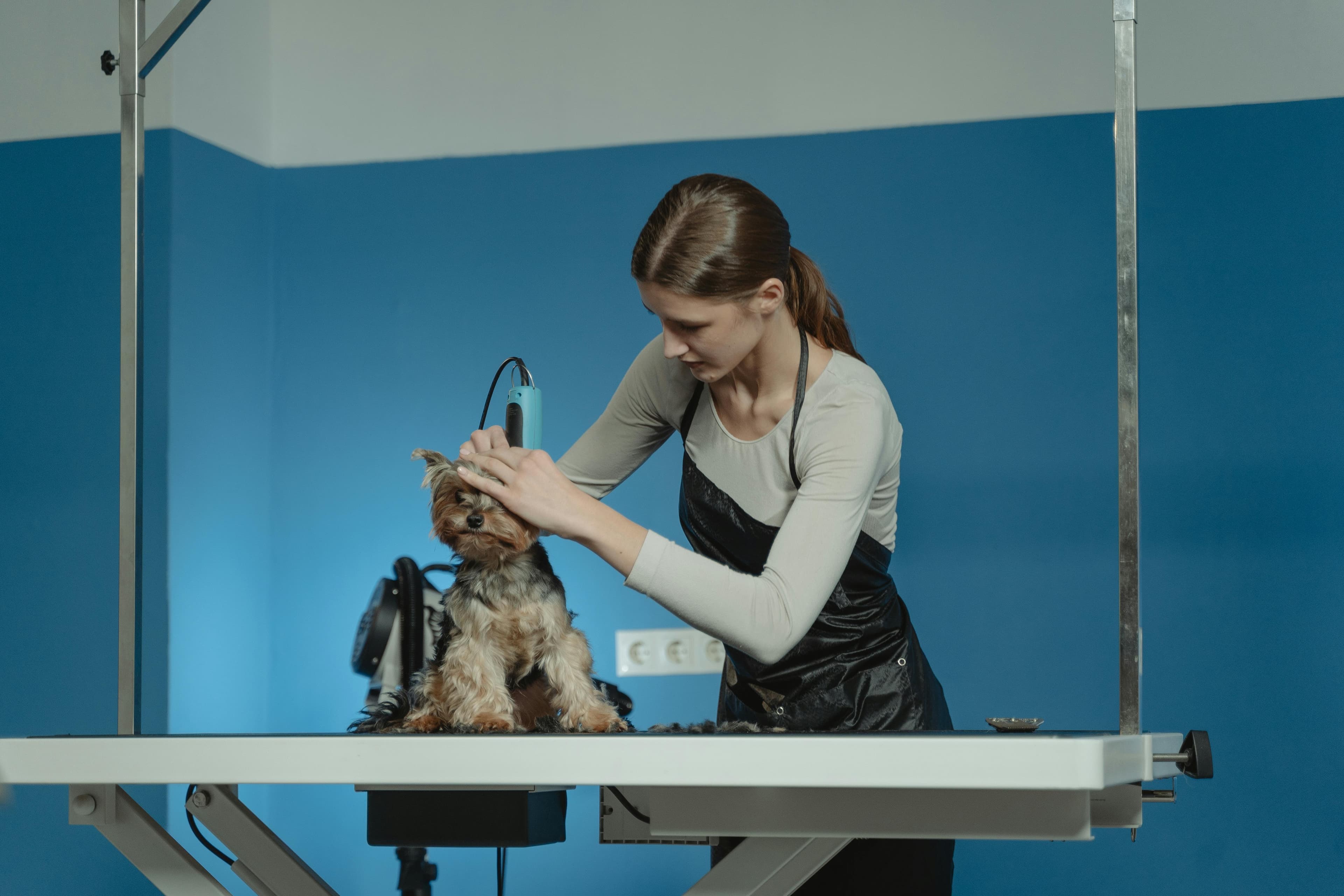
Bath frequency should match the coat, not the calendar. Over bathing strips protective oils and can trigger dryness, while under bathing leaves residue that dulls the coat and traps odor. Short coats usually do well every three to four weeks because they hold less dirt yet still benefit from regular cleansing. Medium coats often need a bath every two to three weeks, especially if they are active outdoors or prone to picking up debris. Long or curly coats collect more residue and mat more easily, so a two week rhythm keeps them manageable and comfortable. Sensitive skin calls for a lighter touch, so stick to gentle formulas and extend the schedule if dryness or irritation appears.
Activity level changes the schedule. A dog that spends most days indoors may need fewer baths than one that visits parks, beaches, or city sidewalks. Seasonal shifts matter too. In winter, dry air can increase sensitivity, so bathing less often while focusing on brushing and paw care can keep the coat balanced. In summer, warm weather and extra activity may require a slightly shorter cadence, especially if your pet swims or sweats more. The schedule should flex with lifestyle rather than follow a fixed rule.
Coat texture is a practical indicator. Short, sleek coats tend to release dirt easily, while thick double coats can hold residue close to the skin. Curly coats trap more debris and can mat if not maintained. That is why long or curly coats benefit from a steady two week rhythm and regular brushing. The more complex the coat, the more it needs a consistent routine. If you are unsure, ask a groomer to assess the coat type and recommend a baseline cadence.
Skin sensitivity should always override convenience. If you notice itching or flaking after baths, reduce frequency and check the formula. Often, sensitivity is caused by harsh surfactants or insufficient rinsing rather than the bath schedule itself. Use lukewarm water, massage gently, and rinse thoroughly. A gentle routine can allow you to bathe regularly without irritation, but if the skin reacts, extend the schedule and rebuild slowly.
Between full baths, small maintenance routines keep the coat clean. Brush regularly to remove loose hair and distribute oils, and wipe paws and undercarriage after walks to reduce buildup. These small habits prevent the need for aggressive washing and make each bath calmer and more effective. A light rinse without shampoo can also help after muddy walks, as long as you dry thoroughly afterward.
Scent is a useful indicator of timing. If your pet smells dull or the coat feels heavy, it is often time for a bath. If the coat still feels soft and clean, you can wait a little longer. The goal is to bathe when it supports comfort, not to chase a strict timeline. A balanced schedule keeps the coat light and the skin calm without overworking it.
Puppies and seniors may need extra care. Young pets have sensitive skin, so gentle formulas and a slightly longer interval can be better, unless they get into messy situations. Older pets may benefit from more frequent but shorter baths if mobility issues make daily cleaning difficult. Always keep the routine calm and short, and monitor for signs of discomfort.
If your pet has medical skin conditions, follow veterinary guidance. Some conditions require medicated shampoos or specific schedules that differ from general recommendations. In those cases, the formula and schedule are part of the treatment plan. Do not make changes without guidance, but you can still keep the ritual gentle and reassuring.
The right frequency leaves the coat soft, the skin calm, and the scent natural, never forced. If you are unsure, adjust slowly and watch how the coat responds; comfort is the best indicator of the right schedule. A consistent, flexible routine is better than a rigid plan, and it will keep grooming calm for both you and your pet.