
Behavior
How to Introduce Shampoo to Anxious Pets
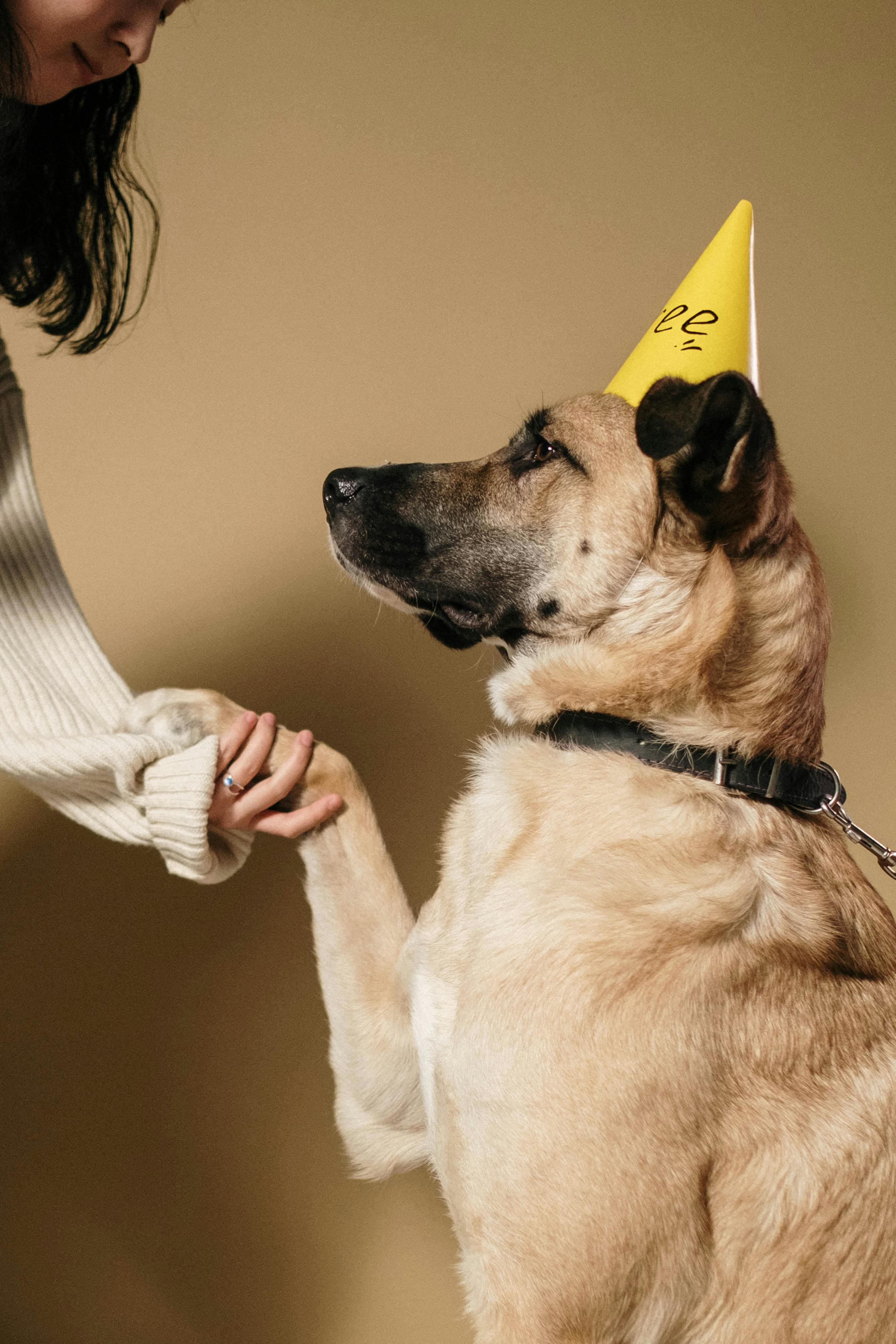
Anxious pets need slower steps and smaller wins. A calm introduction makes bath time feel safe instead of stressful, so start away from the tub. Let your pet sniff the bottle, hear the water, and receive gentle praise for curiosity. This builds positive association before any washing begins. Introduce water gradually with a damp cloth on paws or legs, then pause. Keep sessions short. A quick rinse and gentle lather is better than a long struggle, and it prevents the bath from becoming a full sensory overload. Use a calm voice and steady touch, and avoid sudden movements, loud water pressure, or slippery surfaces that increase fear. Place a towel or non slip mat under their feet to improve stability and confidence.
Break the routine into stages. Day one might only be sniffing the bottle and hearing water. Day two might include a damp cloth on the legs. Day three could be a short rinse without shampoo. By the time you reach a full bath, your pet has already learned the cues and understands that nothing bad happens. This method takes patience, but it builds lasting tolerance and reduces stress for both of you. Each stage should end on a positive note, even if it is only a brief session.
Choose the time of day when your pet is most relaxed. After a walk or a meal, many pets are calmer and more receptive. Keep the bathroom warm, dim the lights, and remove loud distractions. The fewer new stimuli, the easier it is for an anxious pet to focus on you. If you are nervous, they will be too, so breathe, move slowly, and keep your own energy steady. The ritual works best when your pet can mirror calm from you.
Use minimal product and a gentle formula. A small amount of shampoo, massaged lightly, is less overwhelming than heavy lather. Keep water lukewarm and avoid the face. If your pet is sensitive to sound, use a cup instead of a sprayer. If they are sensitive to touch, keep your hand on them as you move to provide steady contact. These small adjustments can make a big difference in how the bath is perceived.
After the bath, offer a quiet treat, a familiar toy, or a calm cuddle to reinforce the experience. Positive endings help reduce future anxiety and teach your pet that the ritual has a predictable, comforting finish. If your pet remains stressed, break the routine into smaller steps over several days rather than forcing a full bath at once. With consistency, most pets learn to tolerate the ritual, and many begin to enjoy the calm attention. Patience, not pressure, is the key to a routine that feels safe and sustainable.
Do not underestimate the value of repetition. When baths follow the same sequence, anxious pets begin to anticipate what comes next, which reduces fear. Use the same towel, the same calm phrases, and the same order of steps. The routine becomes familiar, and familiarity is soothing. If your pet has a setback, simply return to the previous step and rebuild. This is not regression, it is reinforcement.
If anxiety is severe, consider professional support. A groomer experienced with anxious pets can offer techniques and handle a partial bath to reduce stress. In some cases, your veterinarian may recommend anxiety reducing strategies. That does not mean you are failing; it means you are tailoring care to your pet’s needs. The goal is comfort, not perfection, and seeking support is part of good care.
Celebrate small improvements. A pet who stays calm for a one minute rinse has made progress. A pet who tolerates the sound of water without trembling has made progress. These wins build confidence and reduce resistance over time. Focus on the small steps, and the bigger steps will follow.
With patience and consistency, most pets learn to tolerate the ritual, and many begin to enjoy the calm attention. The bath becomes a predictable, gentle experience rather than a struggle. That is the outcome that matters: a pet who feels safe, and a routine you can maintain without stress.