
Rituals
How to Build a Calm Bath Time Ritual
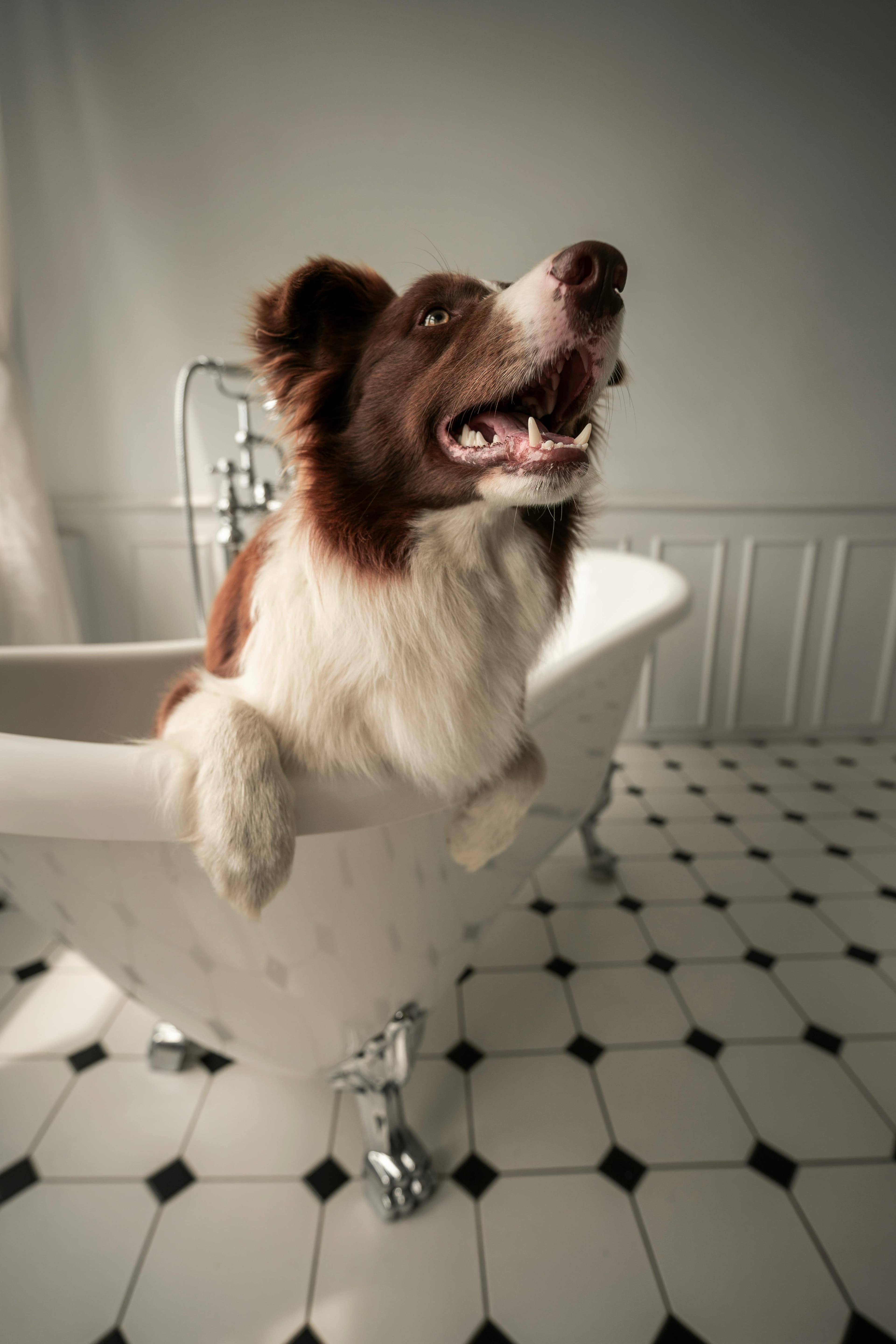
A calm bath ritual starts before the water runs. Choose a quiet time, warm the room, and set out everything you need so there is no rushing. Pets read energy, and preparation turns a potentially stressful moment into something predictable. Let your pet sniff the bottle and hear water softly before you begin, then reward curiosity with gentle praise. Use a non slip mat so they feel stable, and keep the lights soft to reduce overstimulation. This is not about perfection, it is about control and comfort. When your pet sees the same cues each time, they learn the rhythm and relax into it. Consistency is the foundation of calm, and the environment you create is as important as the product you choose.
Water should feel neutral, not hot or cold. Lukewarm temperature keeps skin comfortable and prevents the tightness that can follow a hot rinse. Begin away from the face, moving from neck to tail with a steady, confident motion. A handheld sprayer or a cup gives you control so you can keep pressure gentle and avoid startling splashes. The goal is a smooth, continuous flow that feels reassuring, not chaotic. Speak calmly and move deliberately. If your pet pulls away, pause, let them reset, and resume with smaller motions. The ritual should feel slow and reliable, so they learn that bath time is not something to fear.
The cleanse is where the ritual becomes effective. Apply shampoo in small amounts and massage for 60 to 90 seconds. This time allows the formula to lift residue and bind evenly to the coat without aggressive scrubbing. Use your fingertips rather than nails, and keep pressure light so the skin barrier stays intact. Focus on high contact areas like the chest, legs, and tail base, where oils build up. If you rush this step, you may need to wash again, which creates more stress. A slow, intentional massage does more than clean, it helps your pet associate bathing with touch that feels soothing and steady.
Rinsing is as important as washing. Any leftover product can cause itch, dull the coat, and interfere with fragrance. Rinse until the water runs clear and the coat feels clean but not squeaky. That balance indicates you removed residue while preserving natural oils. Pay extra attention to the undercoat and between toes, where product tends to linger. If your pet has sensitive skin, an extra rinse is often worth it. The ritual is not complete without this step, and it is the most common place people cut corners. A thorough rinse keeps the coat light, soft, and comfortable for days.
Drying should be calm and methodical. Start by pressing with a towel instead of rubbing, which can tangle and irritate. If you use a dryer, keep heat low and airflow moving so you do not concentrate heat on one area. Many pets prefer short bursts with breaks, and that is perfectly fine. Drying is where scent begins to settle, so do not rush. A coat that dries evenly holds fragrance more smoothly and feels softer to the touch. Think of drying as part of the experience, not the end of it. This is the moment that turns clean into refined.
Brushing after drying completes the ritual. A gentle brush through removes loose hair, aligns the coat, and distributes fragrance evenly. Choose a tool that matches your pet’s coat type, and move slowly to avoid pulling. This step is also a bonding moment, a quiet reset after the bath that reinforces trust. For anxious pets, keep the session short and consistent, then build up over time. The coat should feel smooth and light, not overworked. A soft brush through is the finishing touch that makes the ritual feel deliberate, and it helps the scent wear close to the skin rather than sitting in patches.
Frequency matters as much as technique. Most pets thrive on a routine every two to four weeks, depending on coat and activity level. Over bathing strips oils and can lead to dryness, while under bathing allows residue to build. The ritual should be steady, not excessive. Between baths, maintain calm with brushing and quick paw wipes, especially after outdoor walks. These small actions keep the coat balanced and make each bath feel easier. When the ritual is consistent, your pet anticipates it, and the experience becomes predictable rather than disruptive. Predictability is what turns a chore into care.
Scent should be the quiet outcome, not the goal. A clean, balanced coat allows fragrance to settle softly and last longer without being overpowering. If you focus only on the scent, you may wash too often or use too much product. Instead, focus on skin comfort, a thorough rinse, and a calm dry. When those pieces are right, fragrance becomes a gentle signature rather than a mask. The ritual should leave your pet feeling light and relaxed, with a subtle finish that stays close. That is the difference between a quick wash and a refined grooming experience.
A ritual is built from small, repeatable steps. Over time, those steps create trust, reduce anxiety, and make grooming feel like a shared moment rather than a task. Keep the sequence the same, speak softly, and end on a positive note with a treat or quiet cuddle. If your pet resists, shorten the routine and rebuild slowly. Calm, consistent care is the most effective approach, and it is what elevates bath time from routine maintenance to a moment of real connection. The goal is not simply a clean coat, but a calmer pet and a quieter, more comfortable home.