
City Living
Grooming for City Pets: Pollution and Paw Care
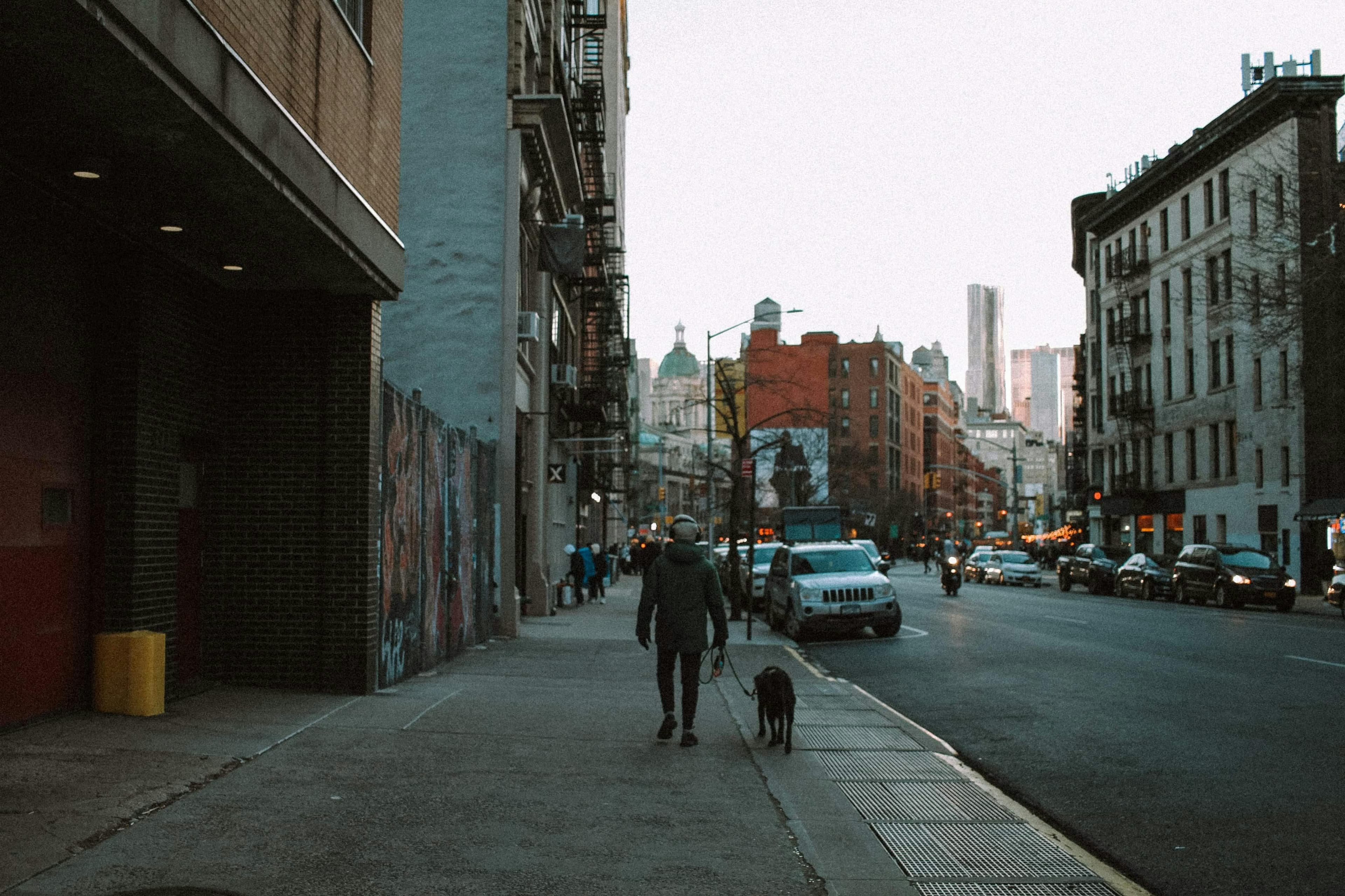
City pets deal with residue that rural pets rarely face. Pavement dust, exhaust, and shared surfaces collect on the coat every day, especially around paws, belly, and tail. A quick rinse or wipe of these areas after walks can prevent irritation and keep the home clean. Use a soft cloth or gentle pet wipe for in between days, and avoid harsh detergents that can dry the skin. Baths should be consistent but not aggressive. A balanced formula removes buildup without stripping the coat, keeping the skin barrier intact even when the environment is tough. In colder months, check paws for dryness or cracks, and use a protective balm if sidewalks are salted.
Paw care is the most important daily habit for city pets. Sidewalk salt, grit, and hot pavement can irritate pads and create small cracks that make walking uncomfortable. After walks, rinse paws with lukewarm water, then dry thoroughly so moisture does not linger between toes. Inspect for small cuts or debris, and trim hair between pads if it traps dirt. A light balm can add a protective layer without making paws slippery. These small steps reduce irritation and keep pets comfortable, which often leads to calmer behavior indoors.
The coat also absorbs the city. Fine dust settles along the back and legs, and exhaust particles can cling to the fur. Regular brushing removes surface residue and keeps the coat light, reducing the need for frequent baths. For short coats, a rubber brush works well; for longer coats, a slicker brush helps lift debris from the outer layer. Brushing is not just grooming, it is maintenance that protects the skin from buildup and keeps the scent clean.
Baths should follow a steady, gentle cadence. A balanced formula cleans effectively without stripping oils, which is especially important when exposure is high. Over washing can irritate city pets because their skin is already dealing with environmental stress. A two to four week rhythm, adjusted for activity level, usually works well. If a pet has a particularly dirty day, a quick rinse or targeted wipe can replace a full bath and preserve the skin barrier.
Air quality changes the routine too. During high pollution days, consider wiping down the coat after walks to remove surface particles. If your pet spends a lot of time outdoors, keep bedding clean to avoid reintroducing dirt to the coat. Small environmental adjustments make the grooming routine more effective and reduce the need for heavy fragrance to mask odors. Clean does not have to be loud; it can be quiet and consistent.
City living does not require over washing. It requires smart maintenance that keeps skin calm and scent clean. A simple rhythm of quick paw care, regular brushing, and periodic baths creates comfort without over grooming. The goal is a coat that feels soft to the touch and a space that stays fresh without heavy fragrance. With a consistent routine, urban pets stay comfortable, resilient, and quietly polished, no matter how busy the sidewalks get.
If your pet is sensitive, pay attention to how they respond after walks. Excess licking of paws or rubbing the belly can signal irritation. In those cases, increase paw care and reduce scented products until the skin calms. The routine should flex with the environment, and the best sign of success is a pet that relaxes quickly after returning indoors.
Grooming in the city is not about perfection, it is about maintenance that fits a real schedule. Short, consistent routines make the biggest impact. When you keep the small steps steady, you protect the skin, preserve the coat, and keep your space feeling clean. That is the real luxury of urban grooming.
With a simple rhythm, urban pets stay comfortable and fresh without feeling over groomed. The routine becomes part of daily life, and the coat stays soft even in a busy environment. Consistency is the quiet solution to the city’s mess.