
Food
Synthetic vs Natural Additives in Pet Food: What the Science Actually Shows
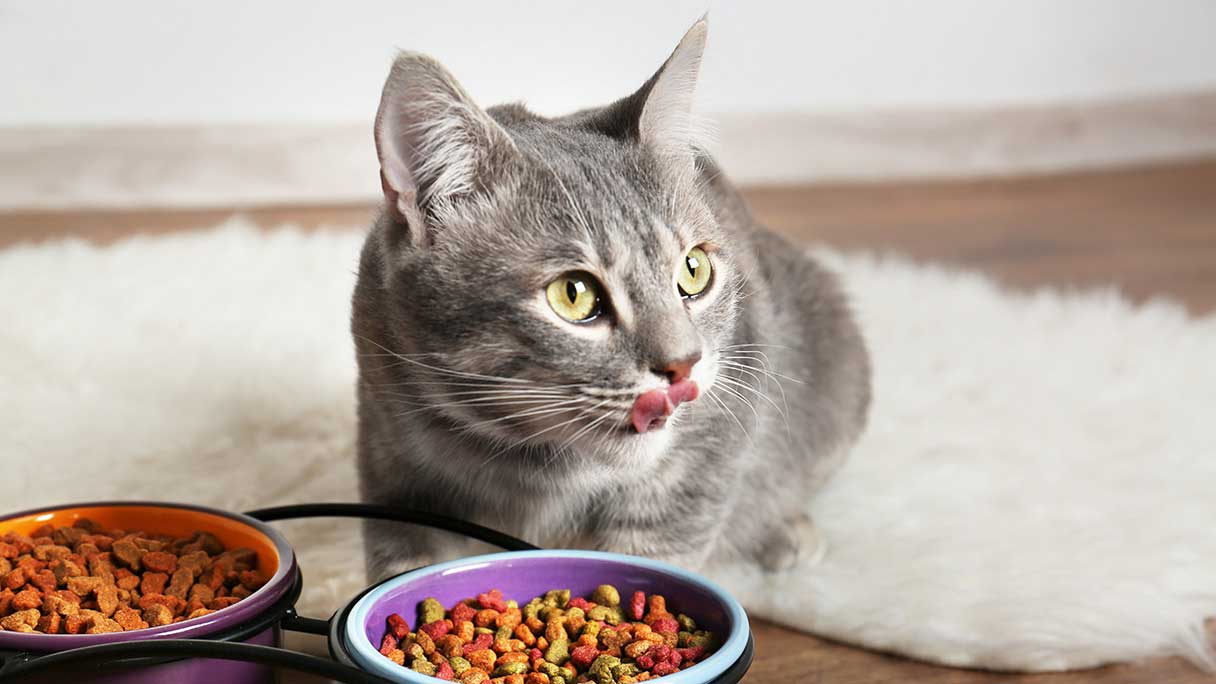
Despite growing consumer concern, current scientific evidence does not support the idea that approved synthetic additives in pet food pose significant health risks to cats and dogs. A systematic review published in the journal Animals in 2025 examined more than 120 studies on preservatives, additives, and ingredient quality, concluding that adverse effects linked to approved additives are rare and statistically insignificant. However, researchers also noted that consumer pressure is increasing the need for clearer communication about ingredient safety and function.
Feed additives—defined by the Association of American Feed Control Officials (AAFCO)—are used for technological, nutritional, or functional purposes in small, carefully regulated amounts and undergo safety evaluation before approval. Consumer perception, however, often differs from scientific assessment. According to the International Food Information Council (IFIC), 62% of consumers say ingredients influence their purchasing decisions, and 58% report avoiding products with “chemical-sounding” names.
One of the most widely used synthetic preservatives in pet food is a group of antioxidants that prevent lipid oxidation, a process that reduces nutrient quality, affects taste, and can generate harmful compounds. Butylated hydroxyanisole (BHA) and butylated hydroxytoluene (BHT) are commonly used because they are highly effective at low concentrations and remain stable during high-temperature processing like extrusion. This stability gives them a functional advantage over many natural alternatives, especially in long shelf-life products.
Safety evaluations support their regulated use. A 2021 assessment by the European Food Safety Authority (EFSA) found no adverse effects in cats fed diets containing BHA at levels significantly above recommended concentrations. Similarly, BHT is authorized under EU regulations and shows low acute toxicity, with exposure levels in pet food well below harmful thresholds.
Other synthetic preservatives such as sorbic acid and potassium sorbate are used to control mold and yeast growth, particularly in moist pet foods. Regulatory assessments have concluded that these compounds are safe for dogs and cats when used within established limits.
Natural alternatives are also widely used, including tocopherols (vitamin E), which serve as antioxidants. While effective, studies consistently show that they are less stable and less efficient over long storage periods compared to synthetic preservatives. Essential oils such as oregano and rosemary have demonstrated antimicrobial and antioxidant properties in laboratory and food studies, but often require higher concentrations that may affect taste and formulation feasibility in pet food.
Additional research into plant-based additives such as green tea, turmeric, rosemary, and citrus extracts has shown potential benefits in inflammation, antioxidant activity, and even tumor cell inhibition in experimental models. Some veterinary studies have also reported improvements in skin-related conditions in dogs without adverse effects. However, these findings are mostly based on controlled or experimental settings rather than long-term commercial pet food use.
In real-world food systems, natural antioxidants can be less stable, especially under variable storage conditions, sometimes leading to faster oxidation compared to synthetic alternatives. This highlights the importance of packaging, shelf-life management, and formulation adjustments when relying on natural preservation strategies.
Overall, while natural additives are often preferred by consumers, current evidence suggests that approved synthetic preservatives remain highly effective and safe within regulatory limits. The key challenge for the pet food industry is balancing consumer preferences with scientific evidence, technological performance, and clear communication about ingredient function.